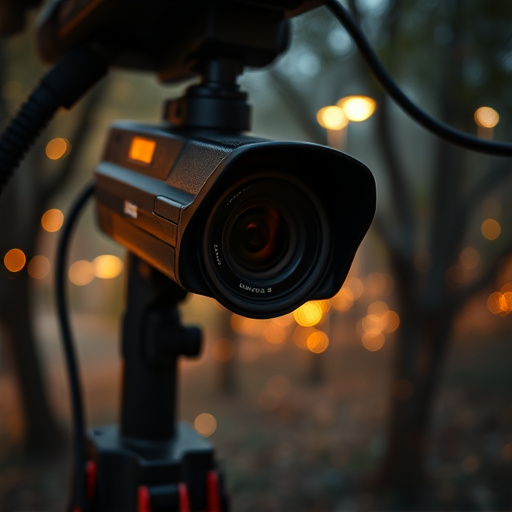
Homeowners face threats from hidden cameras and microphone bugs, requiring advanced detection techniques like audio checks and EMF detectors. Integrating security systems with hidden cameras offers remote monitoring and peace of mind while adhering to legal guidelines on camera placement and privacy. Non-invasive audio methods provide alternatives for ethical home monitoring in a digital era, balancing security and privacy concerns.
“Uncover the silent intruders: Microphone bug sweeping detection is an essential aspect of modern home security. With an increasing reliance on digital devices, understanding hidden threats like microphone bugs is crucial. This article guides you through the intricacies of detecting and mitigating these subtle yet potent surveillance tools. From common techniques to legal considerations, learn about non-invasive methods for monitoring your space using hidden cameras for home security. Empower yourself with knowledge and take charge of your privacy.”
- Understanding Microphone Bugs and Their Detection
- Common Microphone Bug Sweeping Techniques
- Choosing the Right Equipment for Home Security
- Non-Invasive Methods for Monitoring Your Space
- Legal Considerations in Using Hidden Cameras at Home
Understanding Microphone Bugs and Their Detection
Microphone bugs, often hidden cameras disguised as everyday objects, pose a significant privacy risk in homes. These tiny devices can capture sensitive conversations and activities, making their detection crucial for homeowners seeking to safeguard their personal spaces. Understanding how they operate is the first step towards effective countermeasures.
Detection techniques involve a combination of technological tools and vigilant observation. Regular audio checks with known music or sound patterns can help identify unusual interference. Advanced software designed to analyze audio signals can also detect hidden microphones by identifying subtle anomalies in background noise. Additionally, using devices that block or disrupt radio frequencies, especially when coupled with visual inspections for any suspicious hardware, can aid in the systematic elimination of these bugs. In the era of home monitoring through Hidden Cameras for Home Monitoring, staying informed about such sophisticated surveillance methods is essential for maintaining privacy and security.
Common Microphone Bug Sweeping Techniques
Microphone bug sweeping, or listening device detection, involves specialized techniques to identify hidden cameras and microphones used for surveillance in homes. One common method is the use of EMF (Electromagnetic Field) detectors, which can pick up signals from various electronic devices, including covert listening equipment. By scanning different frequency bands, these tools help pinpoint the source of any unusual electromagnetic emissions.
Additionally, audio-based detection methods are employed to locate hidden microphones. This includes using sound frequency analyzers and specialized software that can identify subtle audio signatures left by bugger devices. Experts in this field also employ physical inspections, carefully examining potential hiding spots for covert listening devices, such as wall outlets, light fixtures, or even painted-over holes where microphones might be installed, often accompanied by Hidden Cameras for Home Monitoring.
Choosing the Right Equipment for Home Security
When setting up a home security system, selecting the appropriate equipment is paramount. One crucial component to consider is the use of hidden cameras for home monitoring. These devices offer discrete surveillance, allowing you to maintain peace of mind without drawing attention to yourself or your family. They come in various forms, from small, unassuming cameras that can be placed in corners to more advanced models with motion sensors and night vision capabilities.
The right equipment should also include reliable audio components for two-way communication. A quality microphone bug sweeping detection technique is essential to ensure no hidden microphones are picking up sensitive conversations. By combining these technologies, you create a comprehensive security network that keeps your home safe while offering the flexibility to monitor activities remotely through smart devices.
Non-Invasive Methods for Monitoring Your Space
Many people are turning to non-invasive methods for monitoring their spaces, especially in the privacy-conscious modern era. Unlike traditional hidden cameras, which can be intrusive and ethically questionable, newer techniques focus on audio detection to identify potential bugs or listening devices. One popular approach involves utilizing specialized microphones designed to pick up faint sounds that might indicate a bug’s presence. These microphones can be strategically placed around a room or area of interest without any visible signs, making them ideal for discreet monitoring.
Additionally, advanced audio analysis software plays a crucial role in this process. It enables users to listen in on and analyze real-time audio feeds from these microphones, helping them identify unusual sounds or patterns that could suggest the presence of a hidden camera or microphone bug. This technology is especially valuable for homeowners seeking peace of mind and ensuring their privacy in an increasingly digital world, even if it means stepping outside the box of traditional hidden cameras.
Legal Considerations in Using Hidden Cameras at Home
When installing hidden cameras for home monitoring, it’s crucial to understand and respect legal considerations. The use of surveillance technology is regulated by laws that vary across jurisdictions, so homeowners must ensure they comply with local regulations to avoid legal repercussions. For instance, many regions have strict rules regarding consent and privacy rights, dictating where and how cameras can be placed. Some areas require explicit notification to individuals being recorded, especially in common areas like bedrooms or bathrooms.
Homeowners should also be aware of the potential for misuse and ensure their security systems are secure from unauthorized access. Proper encryption and strong passwords are essential to protect footage and prevent hacking. Additionally, understanding and adhering to these legal guidelines foster a safe and ethical environment, ensuring that hidden cameras for home monitoring serve their purpose without encroaching on privacy rights.
In the quest for enhanced home security, incorporating hidden cameras for home monitoring has become a viable option. Understanding microphone bug sweeping detection techniques and choosing the right equipment can help ensure your privacy and safety. While non-invasive methods offer peace of mind, it’s crucial to stay informed about legal considerations when deploying hidden cameras at home. By combining advanced technology with legal awareness, you can create a secure environment tailored to your needs.